Initiative
How you start, clarify, and move a relationship forward.
 CPTI Lab
51CPTI · Couple Personality Type Indicator
CPTI Lab
51CPTI · Couple Personality Type Indicator
CPTI Types
Like a clear personality-type map, CPTI gives each relationship style a name, a pet, and a practical way to explain what happens in dating, conflict, boundaries, and reassurance.
How To Read Types
MBTI-style pages help users find a familiar language. CPTI uses the same clear type-map idea, then translates it into dating style, boundaries, conflict, reassurance, and the next message to send.
How you start, clarify, and move a relationship forward.
Whether care becomes visible words, actions, or hidden details.
How much closeness, space, and personal rhythm you need.
How you respond after conflict, cold replies, or uncertainty.
What reassurance you need and how stable you feel to others.
Type Gallery
Each type has a relationship pet, a core dating pattern, and a practical way to explain yourself.
Relationship pet:Navigator Pup
Turns ambiguity into a plan; useful for defining pace, goals, and relationship direction.
View relationship petRelationship pet:Heartfire Cub
Warm, direct, and intense; useful for making strong affection easier to receive.
View relationship petRelationship pet:Warm Nest Bear
Shows love through care and backup plans; useful for saying needs before exhaustion builds.
View relationship petRelationship pet:Low-power Otter
Low-power but sincere; useful for making quiet care readable.
View relationship petRelationship pet:Spark Peacock
Creates atmosphere and memorable moments; useful for pairing romance with honest repair.
View relationship petRelationship pet:Sticky Bunny
Seeks closeness through softness and vulnerability; useful for asking reassurance directly.
View relationship petRelationship pet:Prickle Cat
Guarded but caring; useful for turning contrast into a clearer warm signal.
View relationship petRelationship pet:Buddy Duck
Easy side-by-side companion; useful for adding explicit romance to comfortable daily life.
View relationship petRelationship pet:Steady Whale
Stable and reassuring; useful for remembering that safety can include your own needs.
View relationship petRelationship pet:Spark Sparrow
Emotionally vivid and fast-reacting; useful for cooling down before sending intense messages.
View relationship petRelationship pet:Color Ferret
Adapts quickly to others; useful for staying visible instead of disappearing into the relationship.
View relationship petRelationship pet:Sticky-note Tanuki
Loves through details; useful for speaking disappointment before it becomes a ledger.
View relationship petRelationship pet:Script Fox
Romantic and imaginative; useful for separating story from evidence.
View relationship petRelationship pet:Cloud Turtle
Low-drama and steady; useful for showing visible warmth without losing calm.
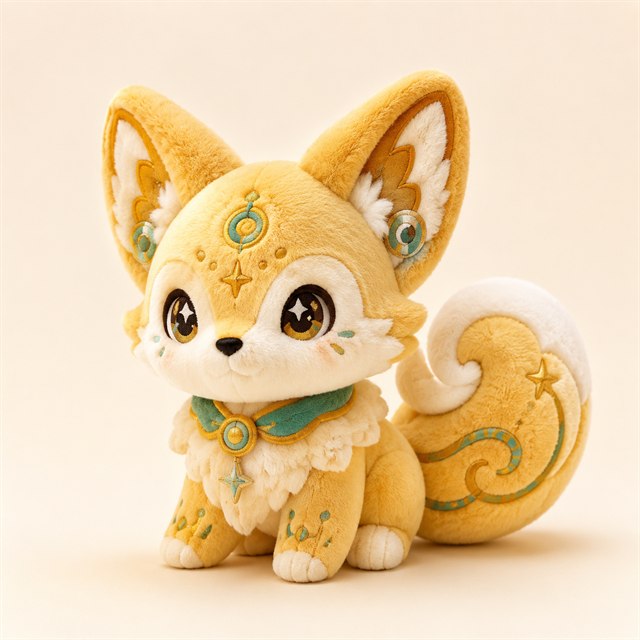
View relationship petRelationship pet:Wind-ear Fox
Independent and alive; useful for keeping freedom while leaving a stable coordinate.
View relationship petRelationship pet:Balance Deer
Balanced across closeness, boundaries, expression, and commitment; useful for adding honest texture to stability.
View relationship petRelationship pet:Translator Parrot
Translates complex feelings; useful for not becoming the only emotional interpreter.
View relationship petRelationship pet:Archaeology Mole
Slow, careful, and sincere; useful for turning observation into readable signals.
View relationship petRelationship pet:Matchstick Squirrel
Spark-driven and energetic; useful for connecting chemistry to daily rhythm.
View relationship petRelationship pet:Fence Deer
Clear boundaries with respect; useful for opening a gate instead of only holding the fence.
View relationship petRelationship pet:Flower Tower Sheep
Plans romance and rituals; useful for letting love breathe outside the script.
View relationship petRelationship pet:Telescope Owl
Observes before approaching; useful for giving small clues before certainty is complete.
View relationship petRelationship pet:Foundation Bear
Reliable and implementation-minded; useful for adding freshness to trust.
View relationship petRelationship pet:Cuddle Planet Bunny
High-closeness and companionship-oriented; useful for spreading security beyond one person.
View relationship petRelationship pet:Black Box Weasel
Rich inner world, few outer signals; useful for making care visible.
View relationship petRelationship pet:Magnet Fox
Magnetic and independent; useful for adding reliability to freedom.
View relationship petFAQ
Use this index when searching CPTI, 51CPTI, CPTI types, love personality types, or MBTI dating alternatives.
CPTI, also branded as 51CPTI, is a 29-question relationship personality test that maps initiative, expression, boundaries, emotion handling, and security into 26 love personality types and a shareable relationship pet.
No. MBTI is often used as a personality language, while CPTI focuses on relationship behavior: how you approach, express care, handle conflict, protect boundaries, and ask for reassurance.
Yes. One person can finish the CPTI test first, then invite a partner or crush to complete a pair test for compatibility notes, daily tasks, and a shared relationship pet loop.
No. CPTI is designed for self-reflection, conversation, entertainment, and social sharing. It does not replace therapy, diagnosis, or professional mental health support.